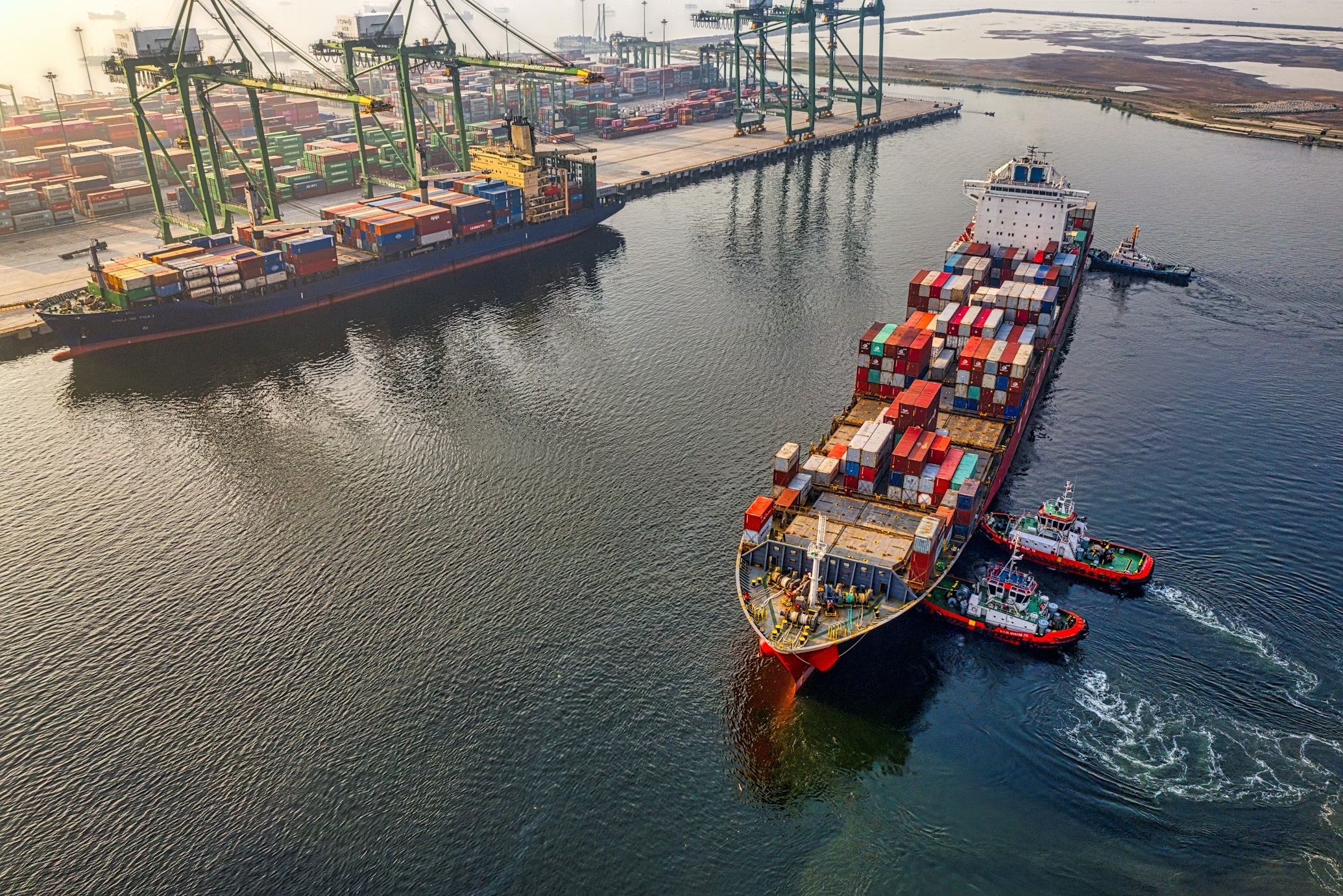
Padang, Khazminang.id– The rapid growth of e-commerce and cross-border trade has increased the importance of logistics in modern business operations. As companies reach customers across different regions and countries, the ability to manage the movement of goods efficiently has become an essential part of maintaining reliable supply chains.
Logistics involves more than transporting products from one location to another. It also includes inventory management, distribution planning, freight coordination, and the handling of deliveries across multiple transportation networks. These activities must work together to ensure that goods move through the supply chain with minimal disruption.
For businesses, particularly those operating in the retail and e-commerce sectors, delivery arrangements can directly influence customer experience. Delays, poor coordination, and limited shipment visibility may affect inventory availability and create additional operational costs.
The Growing Complexity of Supply Chains
One of the main challenges facing businesses today is the increasing complexity of supply chains. Companies that previously focused on serving local markets are now more likely to work with suppliers, distributors, and customers across international borders.
This shift requires businesses to coordinate different logistics processes, including domestic distribution, international freight, customs-related procedures, and last-mile delivery. Each stage involves different operational requirements, making coordination an important factor in supply chain management.
Transportation also plays a significant role. Depending on the type of goods, delivery destination, and shipment volume, businesses may need to combine air, sea, and land transportation. Selecting suitable transportation arrangements can help companies balance delivery requirements with operational costs.
For smaller businesses, these considerations can be particularly important. Without an established logistics infrastructure, managing multiple delivery arrangements independently may require additional resources and administrative work.
Why Courier and Distribution Services Matter
Courier and domestic delivery services remain important components of the broader logistics industry. While international freight handles the movement of goods between countries, local delivery networks help ensure that shipments reach their final destinations.
The relationship between these two functions is increasingly relevant as online retailers expand their customer base. A product may travel through several distribution points before reaching the buyer, making coordination between freight operators, warehouses, and delivery providers necessary.
Companies operating in this sector offer different logistics solutions depending on business requirements. These may include domestic courier services, trucking, freight transportation, and distribution support for local and international shipments.
Among the companies operating in this field is RR Express, a logistics and courier service provider founded in 2013. The company serves customers across Singapore, Australia, the United Kingdom, and Southeast Asia, working with established retailers as well as partners in the third-party logistics, air cargo, and sea freight sectors.
The presence of providers offering integrated logistics and delivery solutions reflects the wider demand for coordinated shipment management, particularly among businesses handling goods across multiple markets.
The Role of Logistics in E-Commerce Operations
The expansion of online shopping has changed how businesses approach distribution. Customers increasingly expect clear delivery information and convenient shipping arrangements, while retailers must manage orders across different locations and delivery schedules.
This creates pressure on businesses to establish logistics systems that can accommodate changing order volumes. During peak shopping periods, for example, higher shipment volumes may require additional transportation capacity and more careful distribution planning.
For companies selling internationally, the challenges can be even greater. Different countries have their own shipping requirements, documentation procedures, and transportation infrastructure. Businesses must consider these factors when arranging cross-border deliveries.
Access to a reliable courier service in Singapore is one consideration for businesses managing domestic shipments within the country. Singapore’s position as a regional trade and logistics hub also makes its delivery infrastructure relevant to companies involved in wider Southeast Asian supply chains.
However, choosing a logistics arrangement involves more than comparing delivery rates. Businesses generally need to assess shipment requirements, transportation coverage, handling procedures, and the ability of service providers to accommodate their operational needs.
Building More Resilient Logistics Networks
Supply chain disruptions in recent years have highlighted the importance of flexibility in logistics planning. Transportation constraints, changing trade conditions, and fluctuations in demand can affect the movement of goods across domestic and international markets.
In response, businesses are increasingly considering alternative transportation routes, multiple logistics partners, and more adaptable distribution arrangements.
Technology is also influencing the industry. Digital shipment tracking, automated inventory systems, and data-based planning tools are helping businesses improve visibility across their supply chains. These developments allow companies to monitor shipments, identify potential delays, and make adjustments when necessary.
Nevertheless, technology alone cannot address every logistics challenge. Effective coordination between businesses, freight operators, courier companies, and distribution partners remains essential.
As international trade and e-commerce continue to develop, logistics will remain a significant part of business competitiveness. Companies that pay attention to distribution planning and transportation coordination will be better positioned to respond to changing market demands.
Ultimately, an effective supply chain depends not on a single delivery process, but on how well every stage works together to move goods from suppliers to their intended destinations. (ads)
Dapatkan update berita lebih cepat dengan mengikuti Google News Khazminang.id. Klik tanda bintang untuk mengikuti.